Frequently Asked Questions
Is auto body repair a good career?
Yes, auto body repair is a rewarding career, offering job stability, competitive pay, and the satisfaction of restoring vehicles to their former condition while working with advanced technology and tools in a dynamic environment.
How much does auto body repair make?
Auto body repair technicians typically earn between $20,000 and $60,000 annually, depending on experience, location, and skill level, with opportunities for higher pay in specialized positions or management roles.
What is collision repair?
Collision repair refers to the process of restoring a vehicle that has been damaged in an accident. This includes repairing or replacing damaged parts, ensuring proper alignment, and making the vehicle safe and aesthetically pleasing again.
How long does auto body repair take?
The duration of auto body repair varies based on the extent of damage and the type of repair needed. Generally, repairs can take anywhere from a few days to a couple of weeks.
Are collision repairs covered by insurance?
Yes, collision repairs are typically covered by insurance, depending on your policy. If you have collision coverage, your insurer should assist with the repair costs after an accident, ensuring your vehicle is restored to its pre-accident condition.
Is auto body repair environmentally friendly?
Yes, auto body repair can be environmentally friendly, especially when using eco-conscious materials, efficient processes, and recycling damaged parts. Many repair shops prioritize sustainability, minimizing waste and harmful emissions throughout the repair process.
Can collision damage be fully repaired?
Yes, collision damage can typically be fully repaired, especially with modern technology and equipment. Our skilled technicians use advanced systems to ensure that your vehicle is restored to factory specifications and safety standards.
What is the cost of collision repair?
The cost of collision repair varies based on factors like the extent of damage, parts needed, and labor rates. For an accurate estimate, it's best to consult with our team for a comprehensive inspection and assessment.
Do auto body shops offer warranties?
Yes, most auto body shops offer warranties on their repairs, which typically cover the workmanship and parts for a specified period. It's important to inquire about the details and duration of the warranty before proceeding with any service.
Can I choose my collision repair shop?
Yes, you can choose your collision repair shop. While insurance companies often provide a list of preferred shops, you have the right to select one that meets your needs and standards for quality repair.
How do I find a reputable body shop?
To find a reputable body shop, seek recommendations from friends or family, check online reviews, and verify certifications. Look for shops with transparent estimates and clear communication, ensuring they use quality equipment and have experience with your vehicle's make and model.
What certifications should body shops have?
Body shops should have certifications from reputable organizations such as I-CAR (Inter-Industry Conference on Auto Collision Repair) and ASE (Automotive Service Excellence). These certifications ensure that the shop is trained in the latest repair techniques and standards.
How does weather affect auto body repair?
Weather can significantly impact auto body repair as extreme temperatures and humidity can affect the curing of paint and adhesives. Ideal conditions are crucial for ensuring quality repairs and a smooth finish.
Can auto body repairs increase car value?
Yes, quality auto body repairs can enhance a car's value by restoring its appearance and structural integrity, making it more appealing to potential buyers and ensuring it meets safety standards.
What are common collision repair scams?
Common collision repair scams include phantom repairs, where services are billed but not performed, inflating repair costs, and using substandard parts while charging for OEM quality. Always verify the shop's credentials and get multiple estimates before proceeding.
How to maintain car paint after repairs?
To maintain car paint after repairs, regularly wash your vehicle using a gentle soap, apply a high-quality wax every few months, avoid harsh chemicals, and park in shaded areas to minimize UV damage.
Whats the difference between body repair and maintenance?
Body repair focuses on fixing damage to a vehicle's exterior, such as dents or collisions, while maintenance involves regular servicing to keep the vehicle in optimal working condition, like oil changes and tire rotations.
Are aftermarket parts safe for collision repairs?
Aftermarket parts can be safe for collision repairs if they meet or exceed safety standards and are properly installed. It's essential to ensure they are compatible with your vehicle's make and model to maintain performance and safety.
Can DIY techniques fix collision damage?
DIY techniques can address minor collision damage, such as small dents or scratches, but they often lack the precision and equipment needed for comprehensive repairs. For significant damage, professional services ensure safety and restore structural integrity effectively.
How often should I inspect auto bodywork?
Inspect your auto bodywork at least twice a year, or more frequently after any incidents or harsh weather conditions. Regular checks help identify and address minor damages before they lead to larger issues.
What tools are used in collision repair?
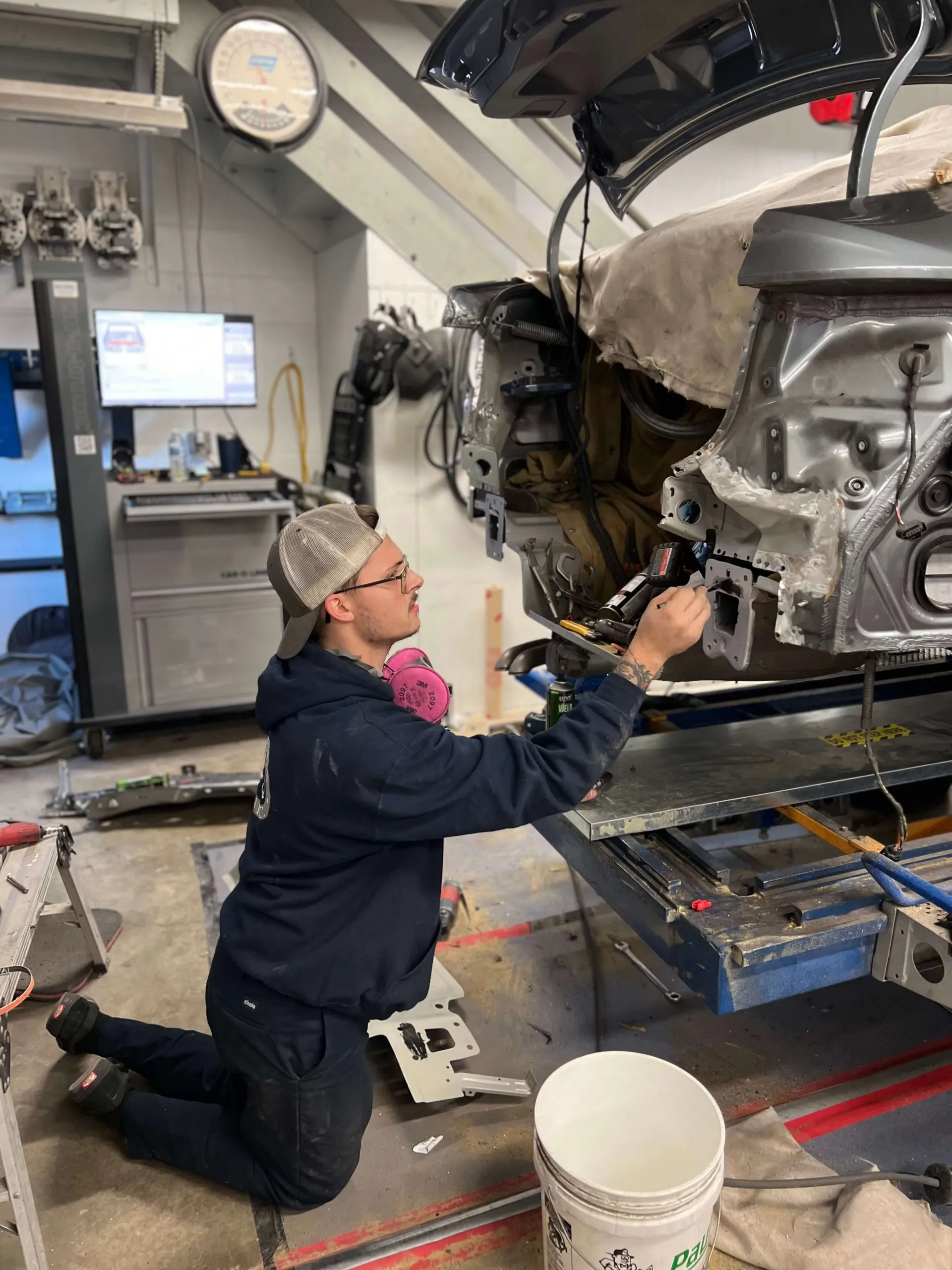
Collision repair utilizes various tools including computerized measuring systems like Car-o-liner, frame straightening equipment, welding tools, and paint spray guns to ensure precision and quality in restoring vehicles to their original condition.
How to prevent rust after collision repair?
To prevent rust after collision repair, ensure proper sealing and paint application, regularly wash and wax your vehicle, and inspect for any scratches or damages that may expose bare metal. Maintenance is key to long-lasting protection.
Are collision damages recorded in vehicle history?
Yes, collision damages are typically recorded in a vehicle's history. This information can be accessed through services like Carfax or AutoCheck, helping future buyers understand the vehicle's past.
How to spot a poorly done body repair?
Look for uneven paint texture, mismatched colors, misaligned panels, and excessive gaps between body parts. Additionally, check for rust or debris under the repairs, which can indicate subpar work.
Can collision repairs affect car alignment?
Yes, collision repairs can affect car alignment. If the vehicle's frame or suspension components are damaged, they may need adjustment or realignment to restore proper handling and tire wear. Regular checks post-repair are recommended to ensure optimal performance.
What safety aspects are checked post-repair?
Post-repair, we check vital safety aspects including structural integrity, airbag functionality, brake performance, alignment, and proper installation of safety features to ensure your vehicle meets all safety standards before it’s returned to you.
What materials are used in auto bodywork?
Auto bodywork typically utilizes materials such as steel, aluminum, fiberglass, plastic, and various types of adhesives. Each material serves specific functions, ensuring durability, repairability, and structural integrity of the vehicle.
How to verify collision repairs quality?
To verify collision repair quality, review the repair documentation, check for any warranty offered, and assess the alignment of the vehicle’s frame and panels. A thorough inspection by a certified technician can also ensure that repairs meet industry standards.
Do all body shops provide paint matching?
Not all body shops provide paint matching services, as it requires specialized equipment and expertise. However, reputable shops typically offer this service to ensure your vehicle's new paint blends seamlessly with the original color.
How to negotiate repairs with an insurer?
To negotiate repairs with an insurer, gather detailed estimates from your repair shop, document any discrepancies, and clearly communicate your needs while referencing your policy terms. Be persistent and maintain open dialogue to reach a satisfactory agreement.