Your bumper takes the hit, so the rest of your car does not. That is its whole job. And yet, most drivers in Lancaster County and the surrounding Ephrata area barely think about it until something goes wrong. Whether you caught a curb pulling out of a Lititz parking lot, got rear-ended on Route 322 near Ephrata, or walked out of the Turkey Hill on Main Street to find a fresh dent, bumper damage is one of the most common reasons people walk into an auto body repair.
The problem is not always obvious. Bumper damage comes in many forms, and not every type is fixed the same way. Some damage is merely cosmetic. Other damage can affect the safety features you use daily. Knowing the difference is important.
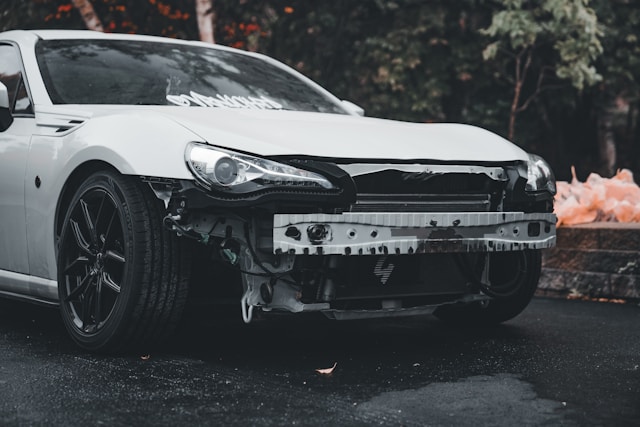
The Main Types of Bumper Damage
1. Surface Scratches and Paint Scuffs
You can get a scratch on your car from a shopping cart in a Giant Food parking lot. A low-hanging branch in a driveway can also scratch your car. If you accidentally bump another vehicle very slowly, that can cause a scratch, too. The paint is broken or scuffed, but the plastic underneath is intact.
Auto body repair for surface scratches typically involves lightly sanding, priming and feather edging the damaged area. Do not ignore paint scuffs on your vehicle, and exposed plastic or bare metal can get damaged over time, even if it’s a small area. This is because moisture and UV rays can affect it. Fixing damage right away helps keep repair costs down.
2. Dents and Dings
Dents on bumper covers happen when something hits or impacts the bumper and pushes the plastic material in. This can occur with impacts like fender benders or even when someone is parking and hits your car.
The good news is that many dents on bumpers respond well to repairs that can be cost saving vs replacing the entire bumper cover, especially if the deformation is not too severe.
3. Cracks and Tears
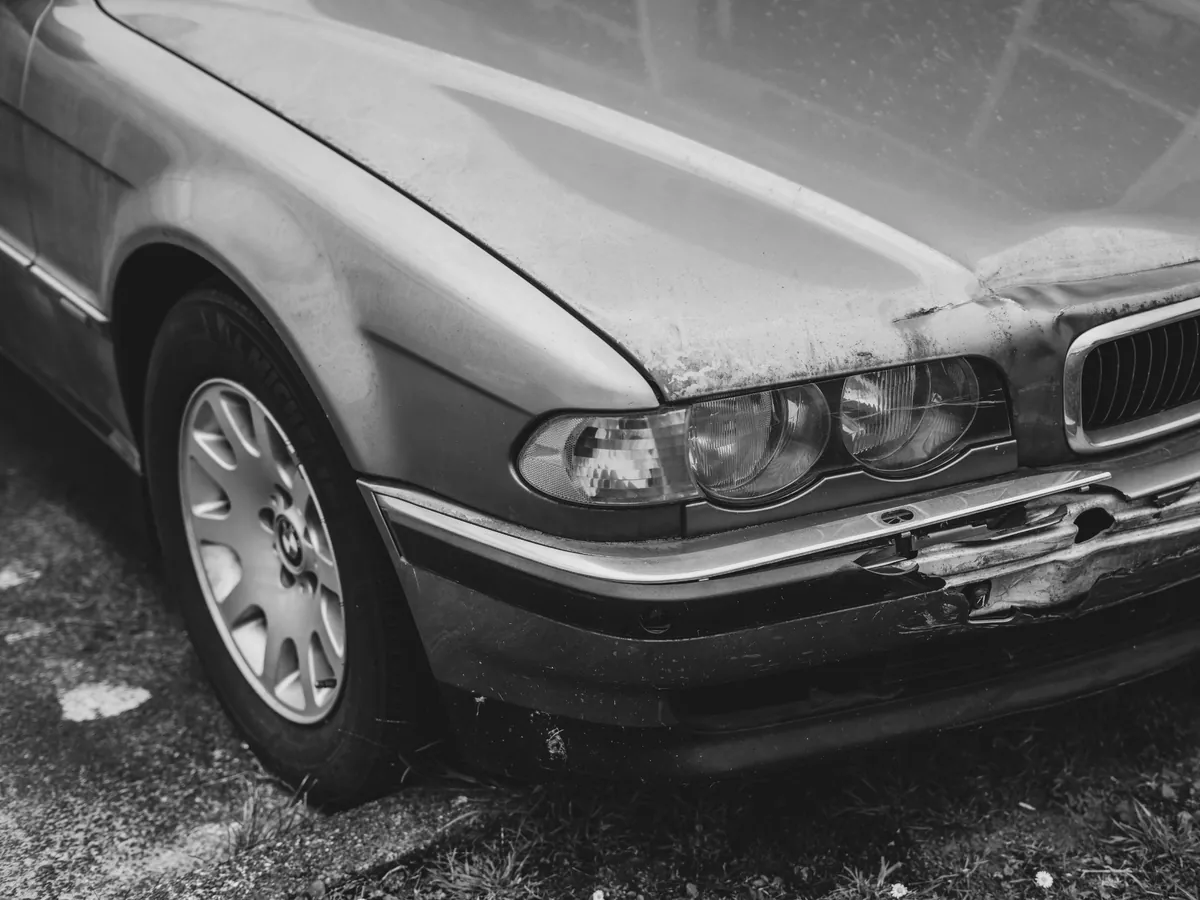
When a bumper gets cracked or torn, it means the material of the bumper has broken down because of a hit. This usually happens when a car is affected by a larger impact or side swipe accident, or it hits something with a sharp edge. A bumper that is cracked is typically an indication of a larger problem because it is not just about how it looks, it is also about the structural integrity of the bumper and surrounding areas. The bumper material has given way under impact, and typically the inertia can travel further into the reinforcement and outer structural areas of the vehicle.
4. Punctures and Holes
A puncture is a step beyond a crack. This means something went all the way through the bumper material. Things like trailer hitches, bicycle racks on cars, concrete barriers, and debris in the road can cause a puncture.
Depending on size and location, punctures can sometimes be addressed with polymer compound repair and refinishing. Larger punctures or those in structurally critical zones typically call for a full bumper replacement. Either way, driving around with a punctured bumper is not advisable.
5. Detached or Loose Bumpers
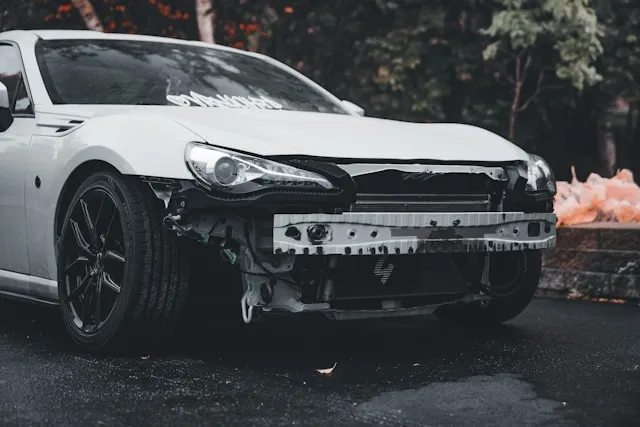
A loose bumper can start to sag or pull away from the car’s body. It can even drag on the ground. This is a safety risk and can also damage your vehicle. A loose bumper on the highway can fly off and become a hazard.
Detachment usually happens as a result of a collision, though worn mounting hardware and age can also be factors. Auto body repair for a detached bumper involves reinstalling or replacing the mounting components, checking the underlying structure, and ensuring the cover is properly aligned.
6. Sensor and ADAS-Related Damage
This is something that most drivers do not think about until it happens to them. Modern cars have sensors and cameras in and around the bumper covers. Even if you get into an accident and the bumper still looks okay, it can disrupt the way these sensors work.
On a newer vehicle when you get your bumper fixed or replaced, you need to get your car’s diagnostics system checked again. This is especially true for cars with ADAS capable vehicles. The person fixing your car needs to plug into the car’s computer to see if all electrical, diagnostics & sensors are working correctly. Direct trouble codes will be shown in the vehicle’s diagnostic report to notify if something may be still wrong with the vehicle leading to further repairs.
Most vehicles equipped with ADAS (Advanced Drivers Assistance Systems) need to have calibrations performed in order to reset or re-initialize these advanced systems by means of aiming targets, specialized scan tools and very specific manufacturer repair requirements necessary to satisfy a safe and quality repair.
Some of these ADAS systems include: Blind spot monitoring, Lane-keeping assistance, automatic braking, adaptive cruise control, cross traffic alert, 360 surround view.
7. Hail Damage to Bumpers
When hail hits a car, it hits everything on the outside, including the bumper covers. This usually makes a lot of dents & creases on various panels. Most of the time, the paint is okay if the hail is not too big. The dents are over the car like a pattern. Hail can really damage a car, so people in Lancaster County should be careful during hail season.
When hail is large it can unfortunately not only dent the panels but actually crack the paint therefore causing much more damage.
The key is getting an assessment soon after a storm, before deferred damage leads to additional issues.
Get Your Bumpers & all Auto Body needs Assessed by People Who Know What They Are Looking At
Call us today at (717) 738-0334 or visit our website to schedule your free collision estimate. If you have served in the military, ask about the military and veterans discount available on all services. Learn more about our full range of services, including paintless dent removal, ceramic coatings, alloy wheel repair, and collision repair.
Frequently Asked Questions About Bumper Damage and Auto Body Repair
How do I know if my bumper damage requires auto body repair, or can I fix it myself?
Surface scuffs and minor scratches can sometimes be fixed with DIY kits with very limited quality control. They do not always look perfect. If your bumper has a dent, crack, tear, or has come loose, you should get it checked by a professional. They can tell if there is damage underneath that you can’t see. Fixing it yourself can be risky. You might miss something.
Is a cracked bumper safe to drive with?
It depends on the crack location and severity. A small surface crack away from structural zones may be drivable in the short term. A crack that extends to the bumper’s mounting points, reinforcement bar area, or sensor zones is a different situation entirely. It should be evaluated and repaired promptly. A compromised bumper will not perform as designed in the event of another impact.
Does bumper damage affect the resale or trade-in value of my car?
Yes. Even minor bumper damage that has been professionally repaired can affect resale value if it appears on a vehicle history report. Some estimates put diminished value on bumper-damaged vehicles at anywhere from several hundred to several thousand dollars, depending on the vehicle. Having the repair done by a reputable auto body repair shop, with documentation, helps establish that the work was done to a high standard.
Will my insurance cover bumper repair?
It depends on what your policy says and what happened to your car. If you have collision coverage, it usually pays for damage from accidents. Comprehensive coverage pays for things like hail. Hitting an animal. You can choose where you want your car fixed; don’t let the insurance company tell you what to do. Bumpers Etc. Auto Body can be your advocate in assisting with being a voice for you during these times of need, relaying all of your repair needs to your insurance company.
How long does bumper auto-body repair take?
Minor repairs handled through an express lane can take one to three days. More involved work, including cases where parts need to be ordered or sensor recalibration is required, can take longer. The best way to get an accurate timeline is through an in-person assessment, which Bumpers Etc. provides at no charge.
Can plastic bumpers be welded back together, or do they always need to be replaced?
Plastic bumpers can often be welded using nitrogen plastic welding technology, which fuses the damaged material back to near-factory strength. This makes it possible to repair cracks and tears that older methods could not handle. Whether welding is appropriate depends on the location and extent of the damage, but it has expanded the range of repairs that are viable alternatives to full replacement.
About the Author
Nate Yunginger | Owner, Bumpers Etc. Auto Body & Collision
Akron, PA | Professional Auto Body & Paint Repair Specialists
Nate Yunginger is the owner of Bumpers Etc. Auto Body & Collision, Lancaster County’s trusted destination for auto body collision repair, automobile painting, bumper restoration, ceramic coating and more. He started the business out of a desire to provide high-quality repairs that are reliable, trustworthy, and done right the first time. Nate wanted to create a company where every customer feels confident leaving their vehicle in capable hands. He believes in doing the job properly—no shortcuts, no compromises.
Since founding Bumpers Etc., Nate has been deeply involved in every part of the operation, from sourcing premium materials and paint products to developing efficient systems that ensure smooth, professional service. Him and his team treats every car like their own, whether it’s a daily driver or a high-end vehicle, holding every repair to the same exacting standard. That commitment has earned Bumpers Etc a growing reputation for excellence and trust across Lancaster County, PA.