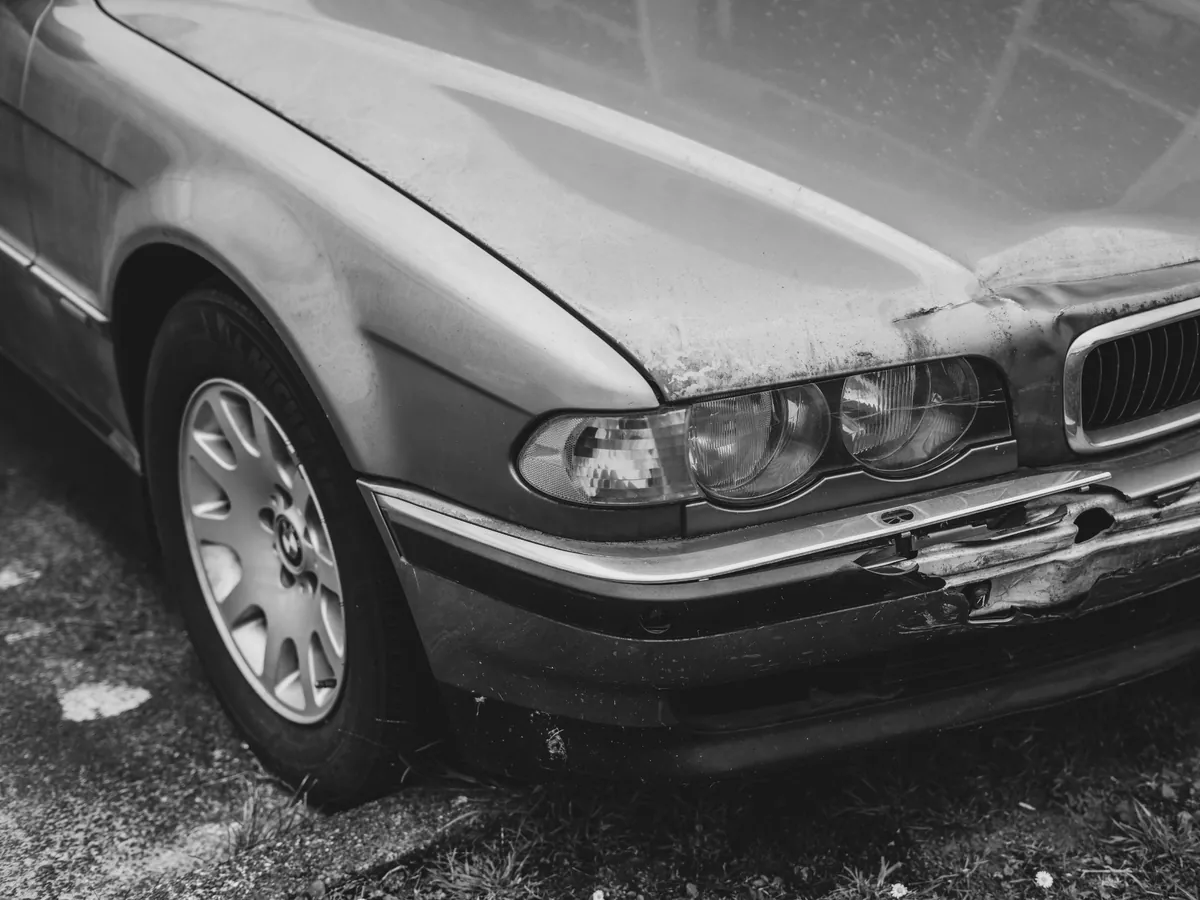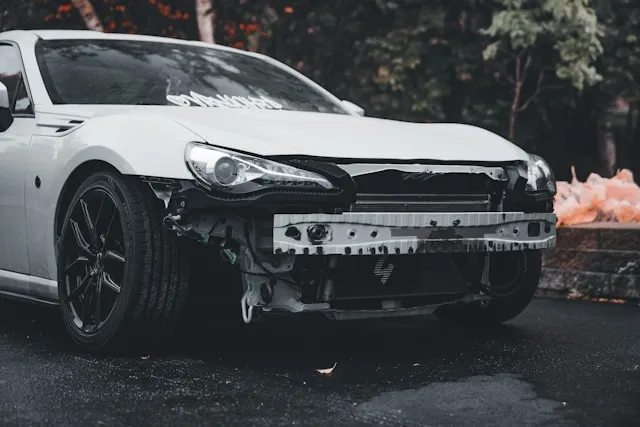
If you’ve had your vehicle for several years or more, you may be starting to notice some of the car’s paint is peeling or chipping. Don’t panic! This is more common than you may think and there are several reasons why your paint may be starting to chip. Here at Bumpers Etc., we work on many cars experiencing chipped paint from a variety of sources like bird droppings, tree sap, UV rays and previous paint repair jobs from other auto body paint shops that were not done properly.
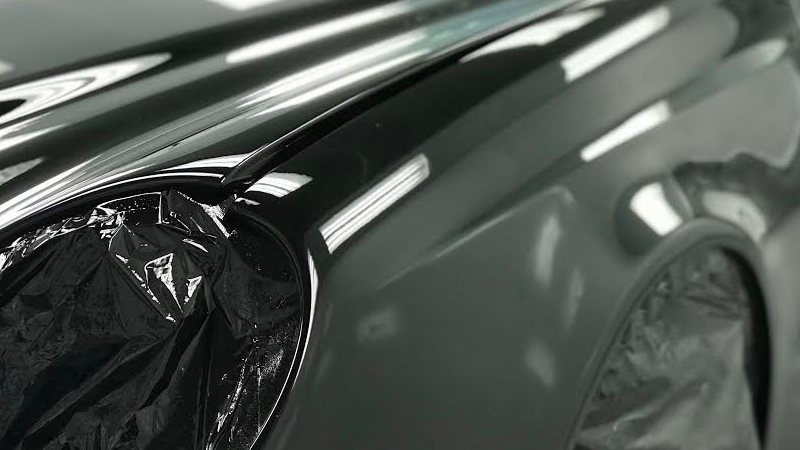
Please allow us to educate you on why car paint can chip and how we can fix it for you.
Common Causes of Peeling or Chipping Paint:
Accidents – This may sound like a no-brainer, but when a vehicle is involved in some sort of accident (whether it be between two vehicles, bumping into a pole while parking, or a car door being swung open into the side of your car), a car’s paint can be easily damaged. Even if there is no paint damage to the naked eye, underlying paint damage could be under the surface.
Bird Droppings – Although feces from a bird may seem harmless (yet gross), the uric acid found in bird droppings is actually strong enough to eat away at your car’s paint. To help your car’s paint last longer, it’s best to remove bird droppings from your vehicle as soon as you notice them.
Environmental Factors – Not only are things such as leaves and tree sap unsightly and annoying to remove from your vehicle, but natural contaminants can also cause your car paint to discolor and fade. If you regularly park your car under trees, make it part of your routine to remove fallen leaves, berries, tree sap, road salt and any other foreign substances as soon as possible. Your car’s paint will thank you!
Prolonged Exposure to UV rays – Just as the sun can be harmful to your exposed skin, UV rays can also cause damage to your car’s paint. Although UV light is invisible, it can be very powerful and can cause your car’s paint to dull over time. When able, park your vehicle in a covered garage or in the shade when you are not using it.
Poor Paint Job – If you got your car repainted and are experiencing paint peeling off your car, there’s a good chance the paint didn’t have a long enough time to cure. Be sure to only enlist the help of trusted and skilled auto body paint shops when it comes to painting your automobile. There’s a very meticulous painting process involved to ensure your car’s paint will be restored and shining bright without flaws.
When your car’s once-brilliant paint job has been dinged up by unsightly chipped or peeled paint, take it to a reliable car body shop in your area.The purpose of car paint is to not only make your vehicle look nice, but also to help protect the body from inclement weather and other environmental factors that can cause rust.
So, what all is involved with repainting a car?
The professionals at Bumpers Etc. are here to explain a simplified overview of the paint process:
Blueprint – The first thing to do is figure out which panels need to be refinished.
Sanding – Sandpaper in a variety of grits will be used to feather out panels and edges carefully.
Cleaning & Drying – All bare plastic is completely wiped down with alcohol, scuff gel and scuff pad application. Then everything is thoroughly hosed down and left to dry completely to ensure that the paint will not peel again.
Masks – All panels and parts of the vehicle that are not being refinished will be carefully covered and masked.
Prep Paint Booth – It’s important to thoroughly clean the paint booth and set the temperature to proper settings for the perfect paint job.
Paint Application – All sealers are applied first and then the base coat color is mixed and applied to the vehicle. Panels will be checked with an artificial light source to verify coverage and uniformity.
Clearcoat – Two full coats of clearcoat will be applied to emulate a factory finish and provide you with a consistent protective barrier for your car body.
Cure Time – Based on the products used for your specific vehicle, the paint and clearcoat will be left to cure, so that the new paint is properly adhered to your car.
Bumpers Etc. – An Auto Body Paint Shop You Can Trust!
Bumpers Etc. Auto Body & Collision is a skilled car body repair shop located in Lancaster County. In addition to collision paint repairs, we also specialize in express auto paint repair and a number of other automotive services. Our work is guaranteed for as long as you own your vehicle.
If your car has peeled or chipped paint, what are you waiting for?
Contact us today at (717) 738-0334 to get your auto repair paint scheduled – you won’t be disappointed!
If you’re interested in protecting your car’s paint even more, consider our ceramic coating service for the ultimate protection.
Comments
comments
Categories of Car Paint Damage and Maintenance Tips
putty knife, brush, dust, putty, wall, risk, wood, lead, lead paint, sandpaper, acrylic paint, sand, water damage, ceiling, primer, drywall, lead poisoning, scraper, drying time, wire brush, moisture, bathroom, adhesive, paintbrush, room, wire, plaster, coat, spackling paste, dust mask, leak, brand, paint sheen, joint compound, humidity, sponge, latex, mildew, debris, exterior, gallon, angle, door, stain, porch, polyester, vehicle, automotive paint, wax, metal, pen, microfiber, windshield, soap, paint protection film, bumper, hail, acura, toyota 4runner, accidents, dec, fender, sealant, road debris, vehicle identification number, lacquer, abrasive, adhesion, hood, oil, corrosion, paintless dent repair, dirt, bottle, auto detailing, cotton swab, customer service, chipped paint on car, car chip repair, car chip repair near me, rock chip paint repair, rock chip paint repair near me, paint peeling off car, stone chips on car, car paint spot repair, car paint peeling repair, car chips repair near me, posted, customer, cabinetry, floor, gift card, policy, plastic, concrete, masonry, home improvement, how much to fix chipped paint on car, how do you fix paint chips on car, how much to repair chipped paint on car, how do you fix peeling paint on a car, how much does it cost to fix chipped car paint, how much to fix a paint chip on a car, how much to fix car paint chips, how much to fix chipped car paint
Frequently Asked Questions
How to repair paint chips on car?
To repair paint chips on your car, clean the area thoroughly, apply a color-matched touch-up paint with a small brush or pen, and let it dry completely. For best results, consider using a clear coat for added protection and shine.
How to repair a paint chip on my car?
To repair a paint chip on your car, clean the area with soap and water, then apply rubbing alcohol to remove any residue. Use a touch-up paint that matches your car's color, applying it with a fine brush and allowing it to dry completely.
How to fix paint chips on car?
To fix paint chips on your car, clean the area thoroughly, apply a primer if necessary, and use touch-up paint that matches your car's color. Seal with a clear coat for added protection and allow it to cure properly.
How to repair paint chips on your car?
To repair paint chips on your car, clean the area thoroughly, apply a touch-up paint that matches your car's color, and allow it to cure as recommended. For best results, consider using a clear coat over the touch-up paint for added protection.
How to repair chipped paint on car?
To repair chipped paint on your car, clean the area, apply a primer if necessary, then use a touch-up paint that matches your vehicle's color. Finally, seal with a clear coat for protection.
How to fix paint chips on car hood?
To fix paint chips on your car hood, clean the area thoroughly, then apply touch-up paint that matches your vehicle's color using a small brush or applicator. Allow it to dry completely for a smooth finish.
How to repair chip paint on car?
To repair chipped paint on your car, first clean the affected area thoroughly. Then, apply a touch-up paint that matches your car's color, ensuring even coverage. Finally, finish with a clear coat to protect the repair and allow it to cure.
How to fix chipped paint on car door?
To fix chipped paint on your car door, first clean the area thoroughly. Then, use a touch-up paint that matches your car's color, applying it carefully with a fine brush. Allow it to dry completely for optimal results.
What causes car paint to chip?
Car paint can chip due to several factors, including accidents, environmental elements like bird droppings and UV exposure, as well as poor quality paint jobs. Proper care and timely maintenance can help prevent these issues.
Can DIY paint chip repair last?
Yes, DIY paint chip repairs can last if done correctly. Proper surface preparation, quality materials, and following application instructions are crucial for achieving durable results that can withstand environmental factors.
Are paint chip repair kits effective?
Paint chip repair kits can be effective for minor chips and scratches, offering a cost-efficient way to improve your vehicle's appearance. However, results may vary based on the severity of damage and user application skills.
How do I prevent paint chipping?
To prevent paint chipping, regularly wash your car to remove harmful substances, park in shaded areas to reduce UV exposure, and promptly clean bird droppings or tree sap. Additionally, consider applying a protective ceramic coating for enhanced durability.
Whats the best paint chip filler?
The best paint chip filler is typically a high-quality automotive touch-up paint that matches your vehicle's color, combined with a clear coat for added protection. Look for products specifically designed for automotive finishes to ensure durability and a seamless blend.
Is touch-up paint for chips noticeable?
Touch-up paint for chips can be noticeable, especially if the paint color or finish doesn't perfectly match your car. However, with careful application, it can effectively reduce the visibility of chips and restore your vehicle's appearance.
How long does chip repair take?
Chip repair typically takes about 30 minutes to an hour, depending on the severity of the damage and the specific repair method used.
Can chipped paint lead to rust?
Yes, chipped paint can lead to rust. When the protective layer of paint is compromised, it exposes the metal underneath to moisture and air, which can cause rust to form over time.
Should I seal a chipped area?
Yes, you should seal a chipped area to prevent further damage. By applying a sealant, you protect the exposed area from moisture, dirt, and rust, which can worsen the chip and lead to more extensive repairs down the line.
How do professionals fix paint chips?
Professionals fix paint chips by carefully cleaning the area, applying color-matched paint to fill the chip, and then sealing it with a clear coat. This process ensures a smooth finish and long-lasting protection against further damage.
Can wax protect against paint chips?
Wax can provide a layer of protection against minor scratches and contaminants, but it doesn't prevent paint chips caused by impacts. For better protection against chips, consider applying a ceramic coating or using paint protection film.
How much does chip repair cost?
The cost of chip repair typically ranges from $50 to $150, depending on the size and location of the damage, as well as your chosen auto body shop. For the best results, seek quotes from local professionals.
Do dealerships repair paint chips well?
Dealerships often provide quality paint chip repairs, utilizing OEM parts and specialized equipment. Their technicians are trained to ensure a seamless finish, but results can vary based on the service department's expertise and the extent of the damage.
Can clear coat prevent paint chips?
Yes, a clear coat can help prevent paint chips by adding an extra layer of protection over the paint. It enhances durability against minor impacts and environmental factors, but it's not entirely chip-proof. Regular maintenance is essential for optimal protection.
How to match paint for chips?
To match paint for chips, use the vehicle's color code typically found on a sticker inside the driver’s door. Alternatively, take your car to a professional or use color-matching tools to ensure a close match for touch-up repairs.
Are paint pens good for chips?
Paint pens can be effective for touching up small chips in your car's paint. However, for larger or deeper chips, a professional repair might yield better results and ensure a seamless finish.
How to smooth out chipped paint?
To smooth out chipped paint, first clean the area, then lightly sand the chipped edges to create a smooth surface. Apply a primer if necessary, followed by matching paint, and finish with a clear coat for added protection and shine.
Can I use nail polish on chips?
No, using nail polish on paint chips is not recommended, as it may not adhere properly and could result in further damage. It's best to use automotive touch-up paint designed specifically for your vehicle's color and finish.
How to blend paint after repair?
To blend paint after a repair, feather the edges of the new paint into the surrounding area using sandpaper, apply a compatible base coat, and then use a clear coat to achieve a uniform finish that matches the existing paint.
Whats the smallest chip worth fixing?
A chip as small as a quarter is generally worth fixing, as it can spread and lead to more significant damage over time. Addressing even minor chips promptly can help preserve your vehicle's paint and value.
How to avoid chipping paint while washing?
To avoid chipping paint while washing your car, use a soft microfiber wash mitt and gentle, pH-balanced car soap. Always rinse thoroughly and avoid scrubbing too hard, especially on areas with existing chips or imperfections.
Can chipped paint on cars be prevented?
Yes, chipped paint on cars can be prevented by regularly washing your vehicle, promptly removing harmful substances like bird droppings and tree sap, and applying protective coatings. Additionally, parking in shaded areas can reduce UV exposure that damages paint.
chipped paint on car, why is my car paint chipping, car paint peeling, chipped paint on car fix, car paint shops near me, auto paint shops near me, chipping paint, what causes paint chips on cars, what causes paint to chip on a car, paint chipping, paint chipvehicles, paint chipped on car, paint chipping on car, what causes car paint to chip, auto body repair for paint chip, collision repair for paint chip, what causes car paint to peel, car chipped paint, auto paint that peels off, why is the paint chipping off my car, car paint chipping, car paint chipping off, how to stop paint chipping on car, car chipping, why is paint chipping off my car, chipping cars
Understanding Car Paint Damage
The paint on your vehicle serves not just as an aesthetic feature but also as a protective barrier against the elements. Understanding how and why car paint deteriorates can significantly help in prolonging its life and maintaining the vehicle's overall look. By recognizing the common causes of paint chipping and peeling, you can take proactive measures to safeguard your investment.
Different factors can contribute to paint damage, including environmental exposure, poor maintenance, and subpar repair work. For instance, a vehicle that is frequently parked under trees may face issues from sap and falling debris, while exposure to UV rays can dull the paint over time. Each of these factors compounds over the years, underscoring the importance of regular care and timely interventions.
Preventative Measures for Car Paint Maintenance
Preventing paint damage begins with adopting regular maintenance habits. Washing your car regularly helps remove harmful substances like dirt, bird droppings, and tree sap before they can cause damage. Additionally, applying a wax coating at least twice a year can create a protective layer against UV rays and environmental contaminants.
Incorporating a ceramic coating service can also provide long-lasting protection that enhances the car's gloss while resisting scratches and chemical stains. Such advanced protection measures are particularly beneficial for vehicles that are exposed to harsh weather or frequent outdoor parking. Regular upkeep not only keeps your vehicle looking great but also helps retain its resale value.